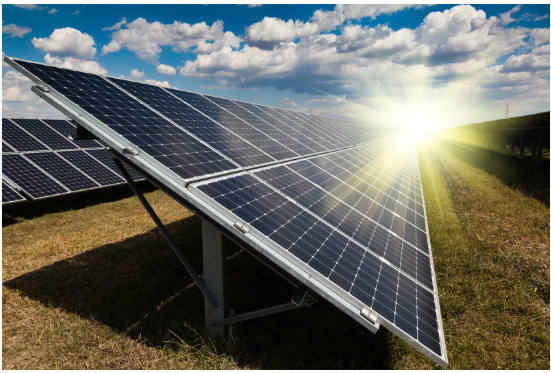
Solar energy is the most abundant, inexhaustible, and cleanest energy resource available on Earth. As the global community faces the dual challenges of climate change and depleting fossil fuel reserves, harnessing the power of the sun has transitioned from an experimental alternative into a cornerstone of the modern global energy transition.
This comprehensive exploration details the mechanics, technologies, applications, advantages, economic landscapes, and future trajectories of solar energy.
1. The Physics and Mechanics of Solar Energy
At its core, solar energy is the radiation produced by the nuclear fusion reactions occurring within the core of the Sun. Every second, the Sun fuses hundreds of millions of tons of hydrogen nuclei into helium, releasing a massive amount of energy into space. A tiny fraction of this electromagnetic radiation reaches Earth.
The amount of solar energy intercepted by Earth in a single day is far greater than the total amount of energy humanity consumes in a year. However, this energy is diffuse and varies based on geography, time of day, season, and atmospheric conditions. Capturing and converting it into usable electricity or heat requires sophisticated technologies.
2. Core Technologies: Photovoltaics vs. Solar Thermal
Humanity has developed two primary methods to harvest solar energy: Photovoltaic (PV) systems and Solar Thermal systems.
Photovoltaic (PV) Technology
Photovoltaic technology converts sunlight directly into electricity using semiconductor materials.
- The Photoelectric Effect: When sunlight (photons) strikes a PV cell, it excites electrons in the semiconductor material (typically silicon), causing them to break free from their atoms. This movement of electrons creates a direct current (DC) of electricity.
- Cell to Array: Individual solar cells are wired together to form a solar module (or panel). Multiple panels are connected to create a solar array, which can scale from a single rooftop system to a massive utility-scale power plant.
- Types of Cells:
- Monocrystalline: Made from a single continuous crystal structure. They boast the highest efficiency rates (often 20% to 25%) and a sleek black appearance, but they are more expensive to manufacture.
- Polycrystalline: Fragmented silicon crystals melted together. They have a lower efficiency (15% to 17%) and a distinctive blue speckled look, but they are more affordable.
- Thin-Film: Made by depositing photovoltaic material onto a substrate like glass or metal. They are flexible and lightweight but generally offer lower efficiency and shorter lifespans.
Solar Thermal Technology
Instead of generating electricity directly, solar thermal systems collect and concentrate sunlight to produce heat (thermal energy). This heat can be used directly for space heating or converted into mechanical energy and electricity.
- Low-Temperature Systems: Used primarily for domestic water heating and swimming pool heating. They rely on simple flat-plate collectors to heat liquid flowing through pipes.
- Concentrating Solar Power (CSP): Used for utility-scale electricity generation. CSP plants use mirrors or lenses to focus sunlight from a large area onto a small receiver. The intense heat warms a fluid (like molten salt or synthetic oil) to extreme temperatures. This fluid then heats water to create high-pressure steam, which drives a conventional turbine to generate electricity.
3. The Solar Energy Value Chain and Infrastructure
A functional solar energy system requires more than just solar panels. The broader infrastructure, often referred to as the Balance of System (BOS), includes:
- Inverters: Solar panels generate direct current (DC), but the electrical grid and most household appliances run on alternating current (AC). Inverters convert DC to AC. Modern systems often use string inverters, microinverters, or hybrid inverters that manage energy storage.
- Mounting and Racking Systems: These secure the panels to roofs or the ground. They must withstand high winds, snow loads, and seismic activity. Some ground-mounted systems use tracking systems that rotate panels to follow the sun across the sky, maximizing energy yields by up to 25% to 30%.
- Energy Storage (Batteries): Solar generation peaks during the day, which does not always align with peak energy demand (typically early morning and evening). Battery storage systems, predominantly Lithium-ion or advancing solid-state options, store excess daytime energy for use at night or during cloudy weather.
4. Environmental and Ecological Impacts
The environmental profile of solar energy is vastly superior to that of fossil fuels, though it is not entirely without impact.
Environmental Benefits
- Carbon Reduction: Operating solar power systems produces zero greenhouse gas emissions. Transitioning to solar directly displaces coal, oil, and natural gas generation, significantly slowing atmospheric warming.
- Air Quality: Solar energy emits no air pollutants, such as sulfur dioxide, nitrogen oxides, or particulate matter. This reduction in air pollution yields massive, immediate public health benefits, particularly in urban areas.
- Water Conservation: Traditional thermal power plants (coal, nuclear, gas) require billions of gallons of water annually for cooling purposes. Solar PV systems require virtually no water to operate, preserving critical freshwater resources.
Ecological Challenges
- Land Use and Habitat Loss: Large utility-scale solar farms require significant tracts of land, which can lead to habitat fragmentation, soil compaction, and the displacement of local wildlife. Integrating solar with agriculture (Agrivoltaics) helps mitigate this by raising panels high enough to cultivate crops or graze livestock underneath.
- Manufacturing and Life Cycle: The manufacturing of solar panels involves hazardous materials, including heavy metals like cadmium and lead, and energy-intensive processing of silicon. Ensuring clean supply chains and reducing the carbon footprint of manufacturing facilities remains a priority.
- End-of-Life Recycling: As the first generation of mass-installed solar panels reaches the end of their 25-to-30-year lifespans, solar panel waste is projected to grow exponentially. Establishing robust recycling frameworks to extract valuable silver, copper, and high-purity silicon is vital to preventing electronic waste crises.
5. Economic Dynamics and the Global Market
The economic landscape of solar energy has shifted dramatically over the past two decades. What was once a boutique, highly subsidized industry is now one of the cheapest sources of new electricity generation worldwide.
| Aspect | Traditional Fossil Generation | Solar PV Generation |
|---|---|---|
| Capital Expenditure (CapEx) | Moderate to High | High initial installation cost |
| Operational Expenditure (OpEx) | High (Constant fuel purchases) | Very Low (No fuel cost, minimal maintenance) |
| Price Volatility | High (Tied to global oil/gas markets) | Predictable (Fixed asset costs) |
| Scalability | Rigid (Requires massive centralized facilities) | Flexible (Rooftops to square-mile fields) |
Drivers of Cost Reduction
- Swanson’s Law: This empirical observation states that the cost of solar PV modules drops by roughly 20% for every doubling of global manufacturing capacity. Automation, economies of scale, and process optimizations have driven module costs down by over 90% since 2010.
- Levelized Cost of Energy (LCOE): In many regions, the LCOE of utility-scale solar is lower than that of new coal or natural gas plants, making solar the economically preferred choice for utilities and grid operators based purely on financial return.
6. Technical Challenges and Grid Integration
Despite its rapid expansion, solar energy introduces unique complexities to the management of electrical grids.
Intermittency and the "Duck Curve"
Solar energy is inherently variable. It stops producing at sunset and drops sharply during heavy cloud cover. This variability creates the "Duck Curve" phenomenon in high-solar markets: midday net electricity demand plummets due to abundant solar power, creating a deep trough. As the sun sets, net demand spikes rapidly just as solar production ends. Grid operators must rapidly ramp up other generation sources (like natural gas or hydro) to meet this sudden surge, stressing grid stability.
Grid Modernization Solutions
To accommodate high penetrations of solar energy, electrical grids must evolve from rigid, centralized systems into dynamic, decentralized networks.
- Smart Grids and AI: Implementing artificial intelligence and predictive algorithms allows grid operators to forecast weather patterns and solar output accurately, balancing supply and demand proactively.
- High-Voltage Direct Current (HVDC): Building long-distance HVDC transmission lines allows utilities to transport solar energy from sunny, remote regions (like deserts) to densely populated urban centers thousands of miles away.
- Distributed Energy Resources (DERs) and Virtual Power Plants (VPPs): Aggregating thousands of individual residential solar-and-battery systems into a unified network allows them to collectively inject power into the grid during shortages, operating like a traditional power plant.
7. Applications Across Sectors
Solar technology is highly modular, allowing it to integrate into diverse sectors of human society.
- Residential Sector: Rooftop solar installations allow homeowners to achieve partial energy independence, protect themselves against rising utility rates, and sell excess electricity back to the grid via net metering policies.
- Commercial and Industrial (C&I): Large warehouses, manufacturing facilities, and corporate campuses utilize expansive roof spaces to cut operational costs and meet corporate sustainability goals.
- Utility-Scale: Massive installations spanning hundreds or thousands of acres feed directly into high-voltage grids, supplying clean power to entire cities.
- Off-Grid and Rural Electrification: In developing nations or remote regions lacking centralized electrical infrastructure, mini-grids and solar home kits bypass the need for costly grid expansions, delivering electricity for lighting, refrigeration, clean water pumping, and internet connectivity.
- Transportation: Solar is expanding into transport via solar-powered electric vehicle (EV) charging stations and panels integrated directly into the roofs of commercial trucks, trains, and marine vessels to power auxiliary systems.
8. Policy, Geopolitics, and Supply Chains
The trajectory of solar deployment is closely tied to government policy and geopolitical dynamics.
Policy Mechanisms
- Subsidies and Incentives: Investment Tax Credits (ITC), production tax credits, feed-in tariffs, and renewable portfolio standards have historically driven solar adoption by reducing the financial risk for investors and homeowners.
- Net Metering: This billing mechanism credits solar system owners for the electricity they add to the grid, incentivizing the adoption of distributed residential solar.
Geopolitical Concentrations
The solar supply chain is highly concentrated. A vast majority of the world’s solar-grade polysilicon, silicon wafers, cells, and modules are manufactured in Asia, primarily in China. This concentration has prompted regions like the United States and the European Union to implement domestic manufacturing incentives (such as the U.S. Inflation Reduction Act) to diversify supply chains, create domestic jobs, and insulate national energy grids from geopolitical trade disputes.
9. Next-Generation Innovations and Research Frontiers
The solar industry continues to push the boundaries of materials science and engineering to maximize efficiency and decrease costs.
- Perovskite Solar Cells: Perovskites are a class of materials with a unique crystalline structure that absorbs light highly efficiently. Researchers are stacking perovskite cells on top of traditional silicon cells to create Tandem Solar Cells. These tandem configurations can break through the theoretical efficiency limits of silicon alone, pushing commercial panel efficiencies past 30%.
- Bifacial Solar Panels: These panels absorb sunlight from both sides. They capture direct sunlight on the front face and reflected light (albedo) from the ground or roof surface on the back face, increasing energy yield by 10% to 20%.
- Floating Solar (Floatovoltaics): Deploying solar arrays on bodies of water like reservoirs, lakes, and industrial ponds saves valuable land space. The water cools the panels, increasing their efficiency, while the panels reduce water evaporation and algae blooms, creating a mutually beneficial ecosystem.
- Space-Based Solar Power (SBSP): A long-term conceptual frontier involving placing massive solar satellites into geostationary orbit, where they receive uninterrupted, intense sunlight free from atmospheric interference. The captured involving placing massive solar satellites into geostationary orbit, where they receive uninterrupted, intense sunlight free from atmospheric interference. The captured energy is beamed back to Earth using microwave or laser transmitters.
10. Conclusion: The Solar-Powered Future
Solar energy has evolved from an expensive niche technology into an unstoppable global economic force. Its capacity to scale from a single pocket calculator up to a multi-gigawatt desert array makes it uniquely versatile.
As battery storage costs fall, smart grid technologies mature, and next-generation materials like perovskites enter commercial manufacturing, solar energy is well-positioned to become the dominant source of primary electricity worldwide. Transitioning to a solar-heavy energy mix is not merely an environmental imperative for mitigating climate change; it is an economic and geopolitical pathway toward a resilient, secure, and abundant energy future for humanity.
If you want to tailor or expand this text, please let me know:
- Do you want to shorten or lengthen specific sections?
- Should I focus deeper on a specific topic, like perovskite cells, the economics of solar, or grid integration challenges?
- Is this text intended for an academic essay, a business report, or a general audience blog post?