India is the very populated company and the population is the big Health is one of the most important foundations of a strong and prosperous society. A healthy population can study better, work productively, contribute to the economy, and lead a better quality of life. For a country as large and diverse as India, improving public health is both an important achievement and a continuing challenge. India has made significant progress in healthcare over the past several decades, including improvements in life expectancy, vaccination, maternal and child health, and access to medical services. At the same time, the country continues to face challenges such as unequal access to healthcare, infectious diseases, non-communicable diseases, malnutrition, pollution, mental-health concerns, and differences between rural and urban areas.
India has a population of more than 1.4 billion people, living across villages, towns, cities, mountains, coastal regions, and remote areas. Because of this diversity, healthcare needs are different from one region to another. Improving health in India therefore requires cooperation among the government, healthcare professionals, communities, schools, families, private organizations, and individuals.
Importance of Health
Health is not simply the absence of disease. It includes physical, mental, and social well-being. Good health allows people to participate actively in education, employment, family life, and society.
For children, good health is essential for proper physical and mental development. A child who receives nutritious food, vaccinations, clean water, education, and timely medical care has a better opportunity to grow into a healthy adult. For working-age people, good health helps improve productivity and reduces the financial burden caused by illness. For older adults, accessible healthcare can help manage chronic conditions and maintain independence.
Therefore, investment in healthcare should be viewed not only as expenditure but also as an investment in India's future.
India's Progress in Healthcare
India's healthcare system has developed considerably since independence. Medical colleges, hospitals, primary health centres, diagnostic facilities, pharmaceutical industries, and medical research institutions have expanded across the country.
One important area of progress is vaccination. Immunization programmes have helped protect millions of children against serious infectious diseases. India has also developed significant capacity in vaccine manufacturing and pharmaceutical production.
Maternal and child healthcare has also received increasing attention. Antenatal care, institutional deliveries, newborn care, nutrition programmes, and vaccination have contributed to improvements in health outcomes.
India also demonstrated the importance of healthcare infrastructure during the COVID-19 pandemic. The pandemic placed enormous pressure on hospitals, healthcare workers, laboratories, and families, but it also accelerated the adoption of digital healthcare, telemedicine, online consultations, and digital health records.
Major Health Challenges in India
Despite progress, India faces several major health challenges.
1. Unequal Access to Healthcare
One of the biggest challenges is unequal access to healthcare services. People living in large cities may have access to specialist doctors, advanced hospitals, laboratories, and diagnostic facilities. In contrast, people living in remote villages may have to travel long distances to receive specialized treatment.
Shortages of doctors, nurses, specialists, medicines, and medical facilities can make healthcare difficult to access in some areas. Strengthening primary healthcare and ensuring adequate healthcare workers in underserved areas are therefore important.
2. Communicable Diseases
India continues to deal with infectious diseases such as tuberculosis, malaria, dengue, diarrhoeal diseases, and other infections. Some of these diseases are associated with poor sanitation, contaminated water, inadequate housing, mosquitoes, and limited awareness.
Prevention is extremely important. Clean drinking water, sanitation, vaccination, proper waste management, mosquito control, personal hygiene, and early diagnosis can reduce the spread of many infectious diseases.
3. Non-Communicable Diseases
At the same time, India is experiencing a growing burden of non-communicable diseases. These include heart disease, diabetes, cancer, chronic respiratory diseases, and hypertension.
Several risk factors contribute to these conditions. They include tobacco use, unhealthy diets, physical inactivity, obesity, excessive alcohol consumption, and air pollution.
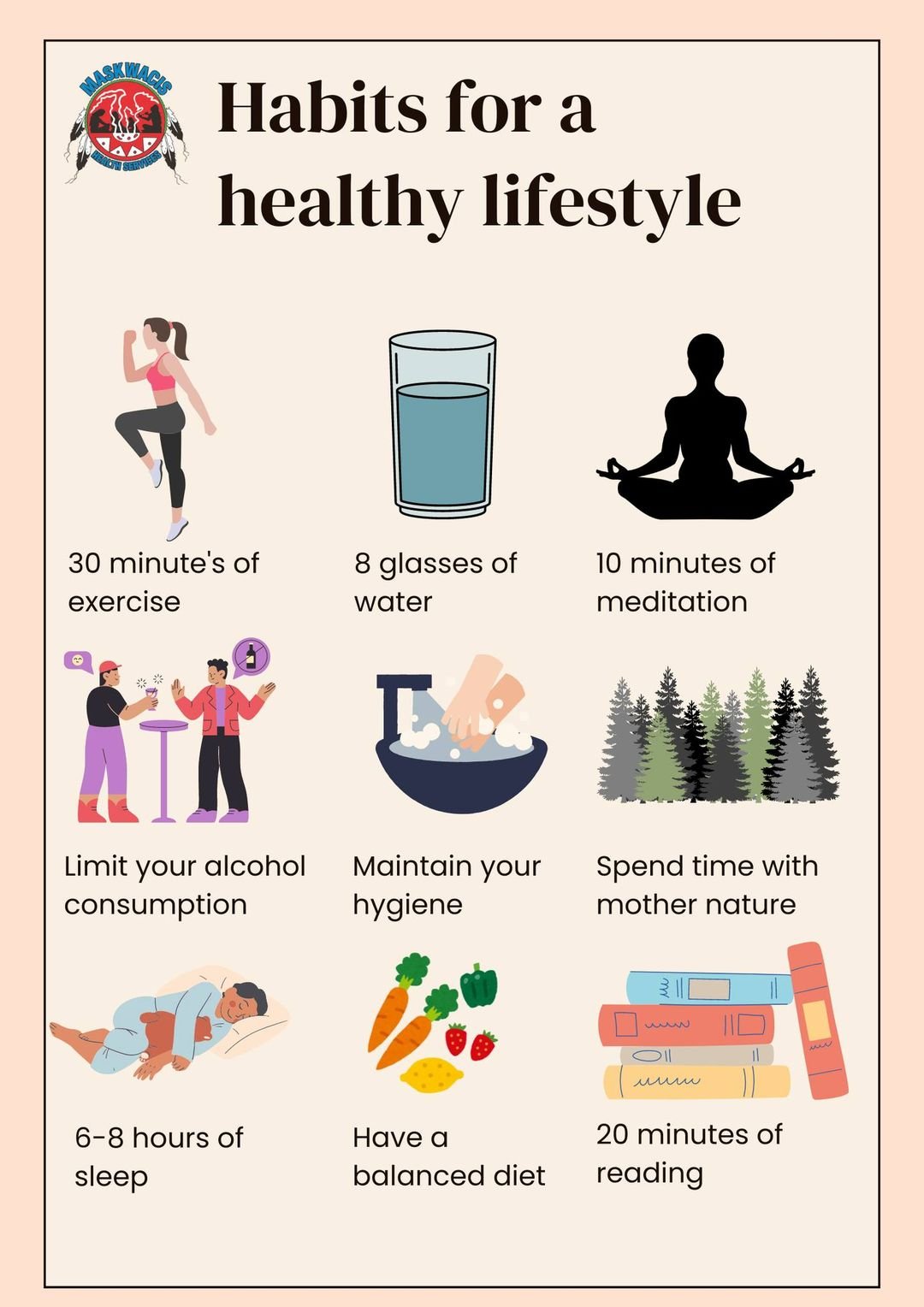
The good news is that many risk factors can be reduced through healthy lifestyle choices. Regular physical activity, a balanced diet, avoiding tobacco, limiting alcohol, maintaining a healthy weight, and having regular health check-ups can help reduce risk.
4. Nutrition and Malnutrition
Nutrition is another major component of public health. Children require adequate protein, vitamins, minerals, carbohydrates, fats, and other nutrients for healthy growth.
Malnutrition can take different forms. Undernutrition and deficiencies of essential nutrients can affect children's growth and learning. At the same time, overweight and obesity are becoming increasingly important concerns in some sections of the population.
Nutrition education should begin at home and in schools. Families should be encouraged to consume diverse and nutritious foods, including vegetables, fruits, pulses, whole grains, and appropriate sources of protein.
5. Mental Health
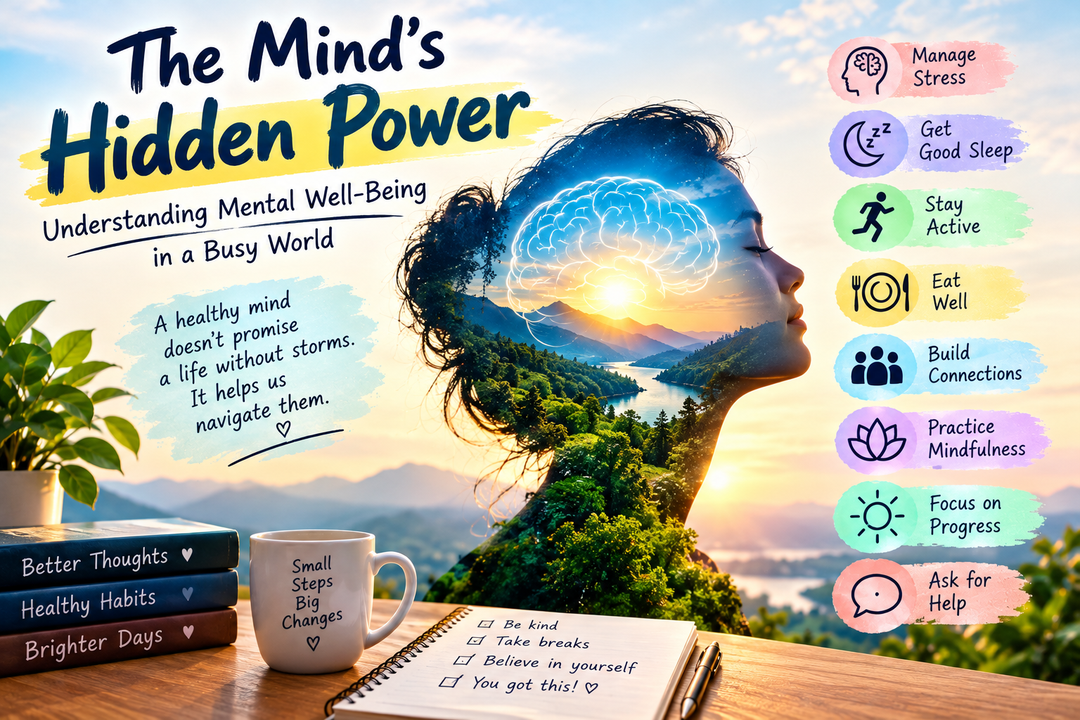
Mental health deserves the same seriousness as physical health. Stress, anxiety, depression, loneliness, substance use, academic pressure, unemployment, financial difficulties, and social problems can affect people's mental well-being.
Many people hesitate to seek help because of stigma or fear of being judged. Greater awareness can help change this situation. Schools, colleges, workplaces, and communities can promote healthy conversations about mental health and encourage people to seek professional support when necessary.
Mental health services should be accessible, affordable, and respectful. People experiencing serious or persistent symptoms should be encouraged to consult qualified healthcare professionals.
Rural and Urban Healthcare
India's healthcare needs differ between rural and urban areas.
Rural communities may face challenges such as limited transportation, fewer specialists, shortages of healthcare workers, and fewer advanced medical facilities. Strengthening primary health centres, improving roads and transportation, expanding telemedicine, and ensuring reliable supplies of medicines can improve rural healthcare.
Urban areas have more hospitals and specialists, but they face different challenges. Crowded cities can experience air pollution, traffic-related injuries, stress, sedentary lifestyles, overcrowding, and lifestyle-related diseases.
Therefore, healthcare planning should consider the specific needs of each community rather than applying exactly the same solution everywhere.
Role of Government
The government plays a major role in improving public health. It is responsible for developing healthcare policies, financing public hospitals and programmes, training healthcare workers, regulating medicines and medical facilities, and promoting disease prevention.
India has introduced several programmes aimed at improving healthcare access, health insurance coverage, maternal and child health, vaccination, sanitation, nutrition, and digital health.
Public health programmes are most effective when people are aware of them and can easily access the services provided. Therefore, communication and community participation are as important as government policies.
Role of Technology in Healthcare
Technology is transforming healthcare in India. Telemedicine allows patients in areas with limited specialist services to communicate with doctors remotely. Digital health systems can help improve the management and sharing of health information.
Mobile phones can also support health education, appointment systems, reminders, and access to health information.
Artificial intelligence and advanced diagnostic technologies may further improve healthcare in the future. However, technology should complement healthcare professionals rather than replace human care. Data privacy, security, accuracy, and equal access to technology must also be considered.
Importance of Preventive Healthcare
Prevention is one of the most effective ways to improve public health. Many diseases can be prevented or detected early through appropriate measures.
People should maintain personal hygiene, consume safe food and water, remain physically active, get adequate sleep, avoid tobacco, and follow recommended vaccination schedules.
Regular health screening can help identify conditions such as high blood pressure or diabetes at an early stage. Early diagnosis often provides more opportunities for effective management.
Preventive healthcare can also reduce the financial burden on families and the healthcare system.
Healthy Lifestyle for Indians
A healthy lifestyle does not necessarily require expensive products or complicated routines. Simple daily habits can make a significant difference.
A balanced diet should include a variety of nutritious foods. Excessive consumption of highly processed foods, sugary drinks, and foods high in salt or unhealthy fats should be limited.
Physical activity is also important. Walking, cycling, sports, yoga, or other forms of exercise can help maintain physical fitness. Adults should generally aim for regular moderate physical activity, while children and adolescents should remain physically active through play and sports.
Adequate sleep is another important part of health. Maintaining a consistent sleep schedule can support physical and mental well-being.
Avoiding tobacco is especially important because tobacco use is associated with numerous serious diseases. People who use tobacco should consider seeking professional assistance to quit.
Clean Environment and Public Health
Environmental conditions have a major impact on health. Air pollution can affect the respiratory and cardiovascular systems. Contaminated water can cause infectious diseases. Poor waste management can attract insects and create unhealthy surroundings.
Clean cities and villages require cooperation between governments and citizens. Proper waste disposal, sanitation, clean water, pollution control, green spaces, and responsible environmental behaviour can contribute to healthier communities.
Climate change also presents emerging health challenges. Heat waves, changing patterns of infectious diseases, floods, and other extreme weather events can affect vulnerable populations. Health planning must therefore consider environmental changes.
Health Education
Health education should begin at an early age. Schools can teach students about nutrition, hygiene, exercise, mental health, substance abuse prevention, reproductive health, and disease prevention in age-appropriate ways.
Educated individuals are more likely to recognize health risks and seek medical attention when necessary. However, health information must come from reliable sources. Social media contains both useful information and misinformation, so people should verify important medical claims with qualified healthcare professionals or trusted public-health organizations.
Role of Families and Communities
Healthcare is not only the responsibility of doctors and governments. Families and communities also play an important role.
Families can encourage healthy eating, exercise, hygiene, vaccination, regular medical check-ups, and emotional support. Communities can organize health-awareness programmes, sanitation activities, blood-donation drives, and other initiatives.
Community health workers can act as an important connection between healthcare systems and local populations, particularly in areas where access to hospitals is limited.
Making Healthcare More Affordable
Medical expenses can create financial difficulties for families, especially when serious illness requires hospitalization or long-term treatment. Improving health insurance coverage and strengthening affordable public healthcare can help reduce this burden.
Affordable medicines, accessible diagnostic services, preventive healthcare, and early treatment can also reduce overall healthcare costs.
A strong healthcare system should ensure that a person's ability to pay does not become the only factor determining whether they receive necessary medical care.
The Way Forward
India's future health strategy should focus on prevention as well as treatment. Primary healthcare should be strengthened so that people can receive basic services close to their homes.
More healthcare professionals should be trained and appropriately distributed across the country. Rural and underserved areas need particular attention.
Nutrition, sanitation, clean air, safe water, mental health, and healthy lifestyles should remain important parts of public-health planning.
Technology can improve healthcare delivery, but digital access should be expanded so that technological progress does not increase inequality.
Public awareness is equally important. Citizens should understand basic health practices and know when professional medical assistance is necessary.
Conclusion
Health is one of the most valuable resources for individuals and for the nation. India has made considerable progress in healthcare, but significant challenges remain. Infectious diseases, non-communicable diseases, malnutrition, mental-health concerns, environmental pollution, unequal access to healthcare, and rising medical costs require continued attention.
The future of Indian healthcare depends on cooperation between government institutions, healthcare professionals, researchers, communities, families, schools, and citizens. Greater emphasis on prevention, early diagnosis, affordable treatment, nutrition, sanitation, mental health, and healthy lifestyles can help create a healthier society.
A healthy India is not built only by hospitals and medicines. It is built through healthy families, educated citizens, clean environments, strong communities, effective public-health systems, and responsible individual choices. By working together, India can continue to improve the health and well-being of its people and build a stronger future for generations to come.
future of Indian healthcare depends on cooperation between government institutions, healthcare professionals, researchers, communities, families, schools, and citizens. Greater emphasis on prevention, early diagnosis, affordable treatment, nutrition, sanitation, mental health, and healthy lifestyles can help create a healthier society.
A healthy India is not built only by hospitals and medicines. It is built through healthy families, educated citizens, clean environments, strong communities, effective public-health systems, and responsible individual choices. By working together
Recent Posts
Loan क्या है? प्रकार, फायदे, ब्याज दर और लोन लेने से पहले जरूरी बातें
Sep 27, 2026भारत की ताज़ा खबरें: देश में आज क्या रहा खास?
Sep 27, 2026यात्रा और पर्यटन: नई जगहों को जानने और जीवन को बेहतर बनाने का अनुभव
Sep 27, 2026डिजिटल पेमेंट: आधुनिक भारत में डिजिटल भुगतान का महत्व, फायदे और चुनौतियाँ
Sep 27, 2026