igital payments have become an important part of modern life. From buying groceries and paying electricity bills to booking tickets and transferring money to family members, people can now complete financial transactions within seconds using smartphones, cards, internet banking, QR codes, and digital wallets. The rapid growth of digital payment systems has changed the way individuals, businesses, banks, and governments handle money.
Digital payments offer many advantages. They can make transactions faster, reduce the need to carry cash, create digital records, and provide convenient access to financial services. At the same time, they also create challenges. Cybercrime, online fraud, privacy concerns, technical failures, excessive spending, and the digital divide are some of the major problems associated with a cashless economy.
This article examines both the good and bad aspects of digital payments, with particular attention to how they affect consumers, businesses, and society.
What Are Digital Payments?
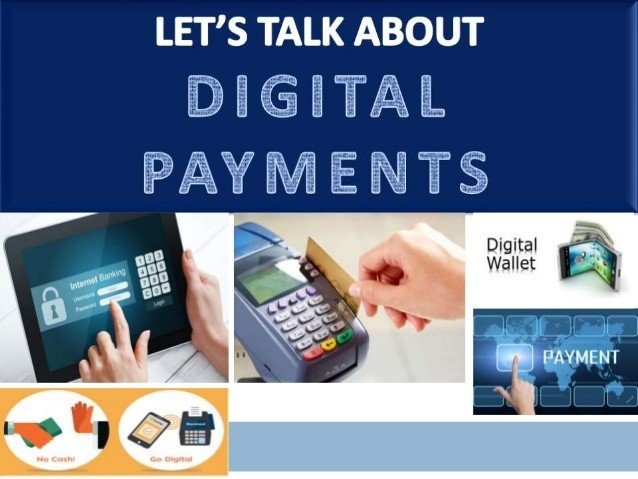
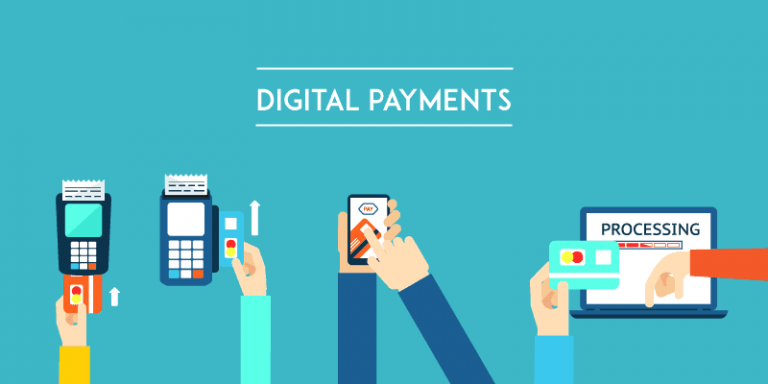
A digital payment is a financial transaction in which money is transferred electronically rather than physically exchanging cash. The payment can take place through a mobile phone, computer, debit or credit card, banking application, digital wallet, QR code, or other electronic systems.
Common examples include:
- Mobile banking
- Internet banking
- Debit and credit cards
- QR-code payments
- Digital wallets
- Contactless payments
- Instant bank transfers
- Online shopping payments
- Automatic bill payments
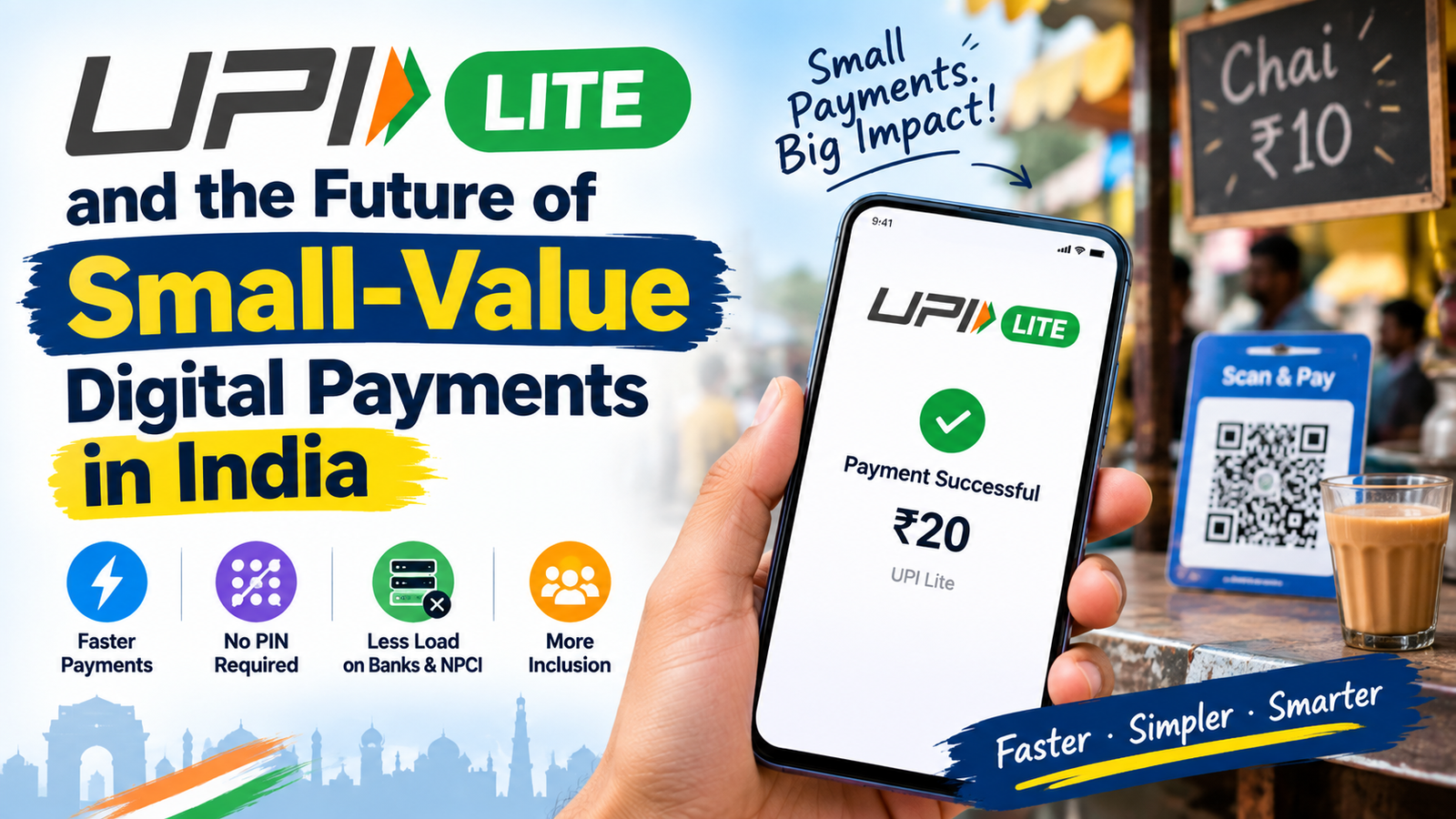
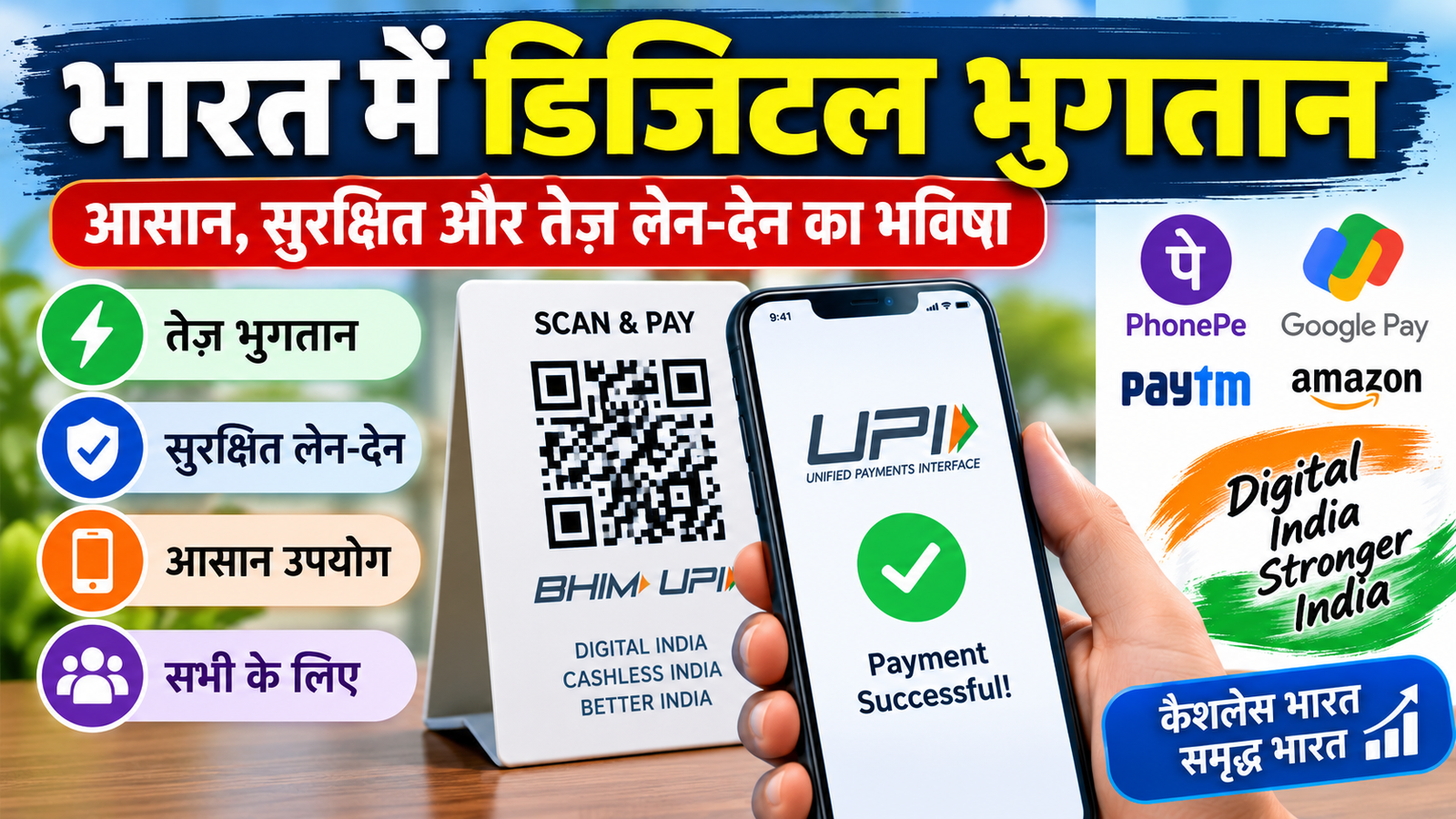
In India, digital payment methods have become particularly common. Consumers can use smartphones and QR codes to make payments at shops, restaurants, transportation services, and many other businesses. Digital transactions have therefore become an important component of everyday economic activity.
The Good Side of Digital Payments
1. Convenience
One of the biggest advantages of digital payments is convenience. People do not necessarily need to visit a bank or carry large amounts of cash. A payment can often be made using a smartphone within a few seconds.
For example, a customer purchasing food from a small shop can scan a QR code and transfer the required amount immediately. Similarly, electricity, telephone, insurance, and other bills can often be paid online without visiting a physical office.
This convenience is especially useful for people who have busy schedules or live far from banking facilities.
2. Fast Transactions
Digital payments can significantly reduce the time required to complete a transaction. Traditional cash payments may require counting notes and coins, checking change, and physically handling money.
Electronic payments can transfer money much more quickly. In many cases, both the customer and merchant receive confirmation almost immediately.
Speed is particularly important for businesses that process large numbers of transactions every day. Faster payments can improve customer service and reduce waiting times.
3. Reduced Dependence on Cash
Carrying cash can be inconvenient and sometimes risky. A person may lose a wallet or become a victim of theft. Digital payments provide an alternative to carrying substantial amounts of physical money.
For businesses, reducing the amount of cash kept at a shop can also reduce certain risks associated with cash handling and transportation.
However, this does not mean that cash has become unnecessary. Cash remains important, particularly when electronic systems are unavailable.
4. Better Financial Records
Digital transactions generally create electronic records. Consumers can check their transaction history through banking applications, statements, or payment platforms.
These records can help people monitor their spending and identify transactions they do not recognize.
For businesses, digital records can simplify accounting and financial management. A shop owner can use transaction histories to understand sales and maintain records of incoming payments.
Digital records can therefore contribute to greater financial organization.
5. Increased Transparency
Digital payments can improve transparency because transactions leave electronic records. This can make certain types of financial activity easier to document and audit.
For businesses and governments, electronic records can support accounting, reporting, and financial monitoring.
However, transparency depends on how the information is collected, stored, and used. Digital records can also create privacy concerns if personal financial information is not adequately protected.
6. Support for Small Businesses
Digital payment systems can help small businesses accept payments from customers who do not carry cash.
A small retailer, street vendor, restaurant, or service provider can potentially accept electronic payments without installing a large traditional point-of-sale system.
Digital payment acceptance can also make it easier for businesses to serve customers who prefer cashless transactions.
In addition, electronic transaction histories may help businesses understand their income and expenses more systematically.
7. Useful During Emergencies
Digital payments can be especially valuable during situations in which physical contact or movement is difficult.
During emergencies, people may need to transfer money quickly to relatives, purchase essential goods online, or pay for services remotely. Digital payment systems can provide a way to complete these transactions without physically visiting a bank or business.
8. Financial Inclusion
Digital payment systems can contribute to financial inclusion by connecting more people with formal financial services.
People with access to a bank account and mobile phone may be able to send and receive money without traveling long distances to a bank branch.
For migrant workers, students, families, and small entrepreneurs, electronic transfers can make moving money more convenient.
Nevertheless, digital financial inclusion requires affordable smartphones, reliable internet access, digital literacy, and accessible banking services.
The Bad Side of Digital Payments
Although digital payments have many advantages, they also introduce significant risks and disadvantages.
1. Cybercrime and Online Fraud
One of the most serious problems associated with digital payments is online fraud.
Criminals may attempt to steal money through:
- Fake payment links
- Phishing messages
- Fraudulent websites
- Fake customer-care numbers
- Social engineering
- Malicious applications
- Fake QR codes
- Identity theft
- Unauthorized account access
A person may receive a message claiming that their bank account, payment account, or mobile service needs verification. If the individual follows a fraudulent link and provides confidential information, criminals may gain access to their account.
Therefore, digital payment users must remain cautious and never share passwords, PINs, one-time passwords, or other confidential authentication information with unknown people.
2. Privacy Concerns
Digital payments generate information about financial activity. Transaction data can reveal where people shop, how frequently they make purchases, and potentially other aspects of their daily activities.
This creates important questions about privacy and data protection.
Consumers may not always understand what information is being collected, how long it is stored, who can access it, or how it may be used.
Strong privacy protections and responsible data management are therefore essential for maintaining public confidence in digital financial systems.
3. Dependence on Technology
Digital payments depend on technology. Smartphones, banking systems, payment networks, electricity, telecommunications networks, and internet connections may all be involved.
If any important part of this system fails, a payment may not work.
For example, a customer may be unable to complete a transaction because:
- The internet connection is unavailable.
- The payment server is temporarily down.
- The mobile phone battery is dead.
- The banking application is not functioning.
- The merchant's device has a technical problem.
This dependence demonstrates why cash can still serve as an important backup payment method.
4. Digital Divide
Not everyone has equal access to digital technology.
Some people may not own smartphones or have reliable internet connections. Others, particularly elderly individuals or people with limited digital literacy, may find electronic payment systems difficult to use.
People living in areas with poor network coverage can also face problems.
If society becomes too dependent on digital payments without maintaining accessible alternatives, some groups could be disadvantaged.
5. Accidental Transactions
Digital payments can sometimes make it easy to transfer money to the wrong person.
A user may select the wrong contact, enter an incorrect account number, or scan the wrong QR code. Recovering money from an incorrect transaction may not always be simple.
Users should therefore carefully check the recipient and transaction amount before confirming a payment.
6. Overspending
Digital payments can make spending feel less tangible than using physical cash.
When people hand over cash, they can immediately see how much money is leaving their wallet. With a digital transaction, the payment may happen with a tap or click.
This convenience can encourage impulsive purchases for some consumers.
Credit cards and certain digital payment services can create an additional problem because consumers may spend money they do not currently have and later face repayment obligations or interest charges.
Financial discipline is therefore important in a digital economy.
7. Technical Errors and Failed Transactions
Sometimes money may be deducted from a customer's account even though the merchant does not immediately receive confirmation.
This can cause confusion and stress.
Although many payment systems have procedures for resolving failed transactions and processing refunds, customers may still have to wait before the issue is resolved.
Businesses can also face difficulties when payment confirmations are delayed or systems temporarily stop working.
8. Fees and Costs
Some digital payment services can involve transaction fees, service charges, payment gateway fees, or other costs.
For consumers, individual charges may appear small, but frequent fees can become significant over time.
For merchants, payment-processing costs can affect profit margins, particularly for businesses operating on low margins.
Users should understand the fee structure of the payment method they are using.
9. Account Security
A digital payment account is protected by passwords, PINs, biometric authentication, device security, and other measures. If a user's phone or account is compromised, financial information may be at risk.
Weak passwords, reused passwords, unsafe applications, and careless sharing of personal information can increase security risks.
Consumers should therefore use strong security practices and keep their devices and financial applications updated.
Digital Payments and Businesses
Digital payments have changed business operations in several ways.
For retailers, electronic payments can reduce the need to manage large quantities of physical cash. Transactions can also be recorded automatically, making certain accounting tasks easier.
Online businesses depend heavily on digital payments because customers may purchase products from anywhere without physically visiting a store.
Digital payment systems can also help businesses reach customers who prefer online shopping.
However, businesses must manage cybersecurity risks. A security incident can result in financial losses, customer complaints, reputational damage, and regulatory problems.
Small businesses may also face challenges related to technology costs, transaction charges, training, and technical support.
Digital Payments and Consumers
Consumers benefit from being able to make payments at almost any time and from many locations.
A person can pay a bill while traveling, send money to a family member in another city, or purchase products online without visiting a bank.
At the same time, consumers need greater awareness of digital security.
A safe digital payment user should:
- Never share an OTP, PIN, or password with another person.
- Verify the recipient before sending money.
- Avoid clicking suspicious payment links.
- Download financial applications from trusted sources.
- Keep the phone's operating system updated.
- Use screen locks and appropriate security features.
- Check bank and payment notifications regularly.
- Report suspicious transactions quickly.
- Avoid using unknown public networks for sensitive financial activity.
- Maintain a backup payment option for emergencies.
The Importance of Digital Literacy
Technology alone cannot make digital payments safe and effective. People also need digital literacy.
Digital literacy means understanding how to use technology safely and responsibly.
Users should know the difference between receiving money and authorizing a payment, recognize common fraud techniques, understand basic account-security practices, and know how to report suspicious activity.
Educational institutions, banks, governments, businesses, and technology companies can all contribute to digital financial education.
Special attention should be given to people who are new to smartphones and online banking.
Digital Payments and the Future
Digital payments are likely to remain an important part of the global economy.
Technological developments may make transactions faster, more secure, and easier to integrate into everyday activities. Contactless payments, mobile banking, biometric authentication, digital wallets, and other technologies are continuing to develop.
Artificial intelligence may also be used by financial institutions to detect unusual transactions and identify potential fraud. At the same time, criminals may use increasingly sophisticated techniques, meaning cybersecurity will remain an ongoing challenge.
The future of digital payments will therefore depend not only on technological innovation but also on strong security standards, consumer education, privacy protection, reliable infrastructure, and accessible alternatives.
Conclusion
Digital payments have transformed the way people handle money. They provide convenience, speed, accessibility, electronic records, and new opportunities for consumers and businesses. For many people, paying digitally is now a normal part of everyday life.
However, digital payments are not completely risk-free. Cybercrime, fraud, privacy concerns, technical failures, digital exclusion, accidental transactions, and overspending are important challenges. A society that increasingly uses digital payments must therefore also invest in cybersecurity, digital literacy, consumer protection, and reliable infrastructure.
The most useful approach is not to view digital payments as entirely good or entirely bad. Their impact depends on how they are designed, regulated, and used. Consumers should take appropriate security precautions, businesses should protect customer information, and institutions should work to make digital financial services reliable and accessible.
Digital payments have the potential to make financial transactions easier and more efficient, but their benefits are greatest when convenience is combined with security, privacy, responsible spending, and financial inclusion.
About This Blog
payments online