Article Content
Thinking back to just a decade ago, how did you handle your daily spending? Carrying a thick leather wallet loaded with banknotes, counting out exact change for a cup of coffee, or making a physical trip to the bank branch were standard parts of everyday life. Today, those routines feel almost ancient. You step into a market, pick up groceries, pull out a smartphone, point the camera at a printed QR code, enter a secret code, and walk away—all in under ten seconds.
Money has evolved beyond gold coins, printed paper notes, and plastic cards. Today, money is data. It moves instantly through invisible digital networks, connecting buyers and sellers anywhere on the planet. Driven by affordable mobile phones, high-speed mobile internet, and creative financial software, digital payments have completely shifted how humanity handles value. What started as an innovative alternative for tech-savvy online shoppers has turned into the foundation of our modern global economy.
The Evolution: How Cash Moved to Code
To fully understand where we are today, we need to look back at how payment habits have evolved over time. For centuries, human commerce relied entirely on physical currency. Whether it was physical coins or printed paper, conducting business meant being physically present with cash in hand.
The Shift to Plastic Money
The first major step toward modern payments happened in the middle of the twentieth century with the birth of credit cards and Automated Teller Machines (ATMs). For the first time, people did not need to carry physical cash everywhere. They could rely on a plastic card to pay at major stores or withdraw cash from a local machine. However, these tools still depended heavily on traditional bank systems and physical infrastructure.
The Internet Revolution and E-Commerce
The real turning point came in the late 1990s with the sudden boom of the internet and online shopping. As retail websites opened their digital doors, customers needed a safe way to pay across long distances without mailing physical checks. This demand gave birth to online payment gateways and digital balance services, proving that financial transactions could happen securely over the web.
The Smartphone Era
While desktop web payments were convenient, the introduction of smartphones changed everything. Suddenly, powerful computing devices with permanent internet access sat in almost every person's pocket. Banks and technology companies quickly realized that the mobile phone was not just a tool for messaging or browsing—it was a mobile bank branch waiting to happen.
The Technologies Powering the Cashless Shift
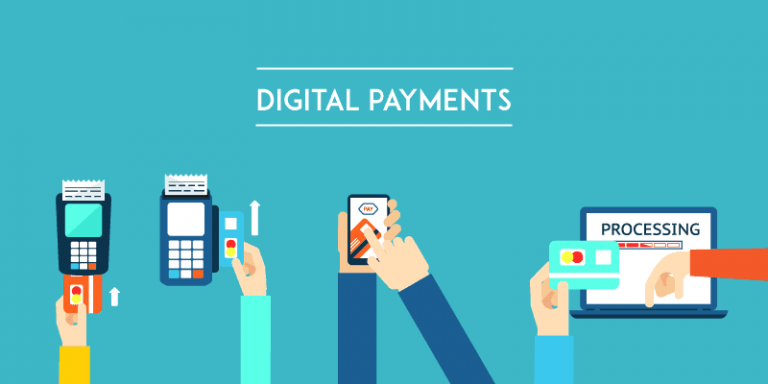
Modern digital payment networks seem simple to the person tapping a screen, but behind that smooth experience lies a complex web of modern technology. Several key tools work together behind the scenes to process millions of transactions safely every single second.
- Mobile Wallets and Tap-to-Pay Applications. Mobile wallets store digital versions of your debit cards, credit cards, or cash directly inside your smartphone. Using built-in security chips, these applications allow you to complete purchases instantly. Instead of swiping physical plastic through a terminal, you simply hold your device near a payment reader. The device passes an encrypted, temporary payment token to complete the sale without ever exposing your actual account details.
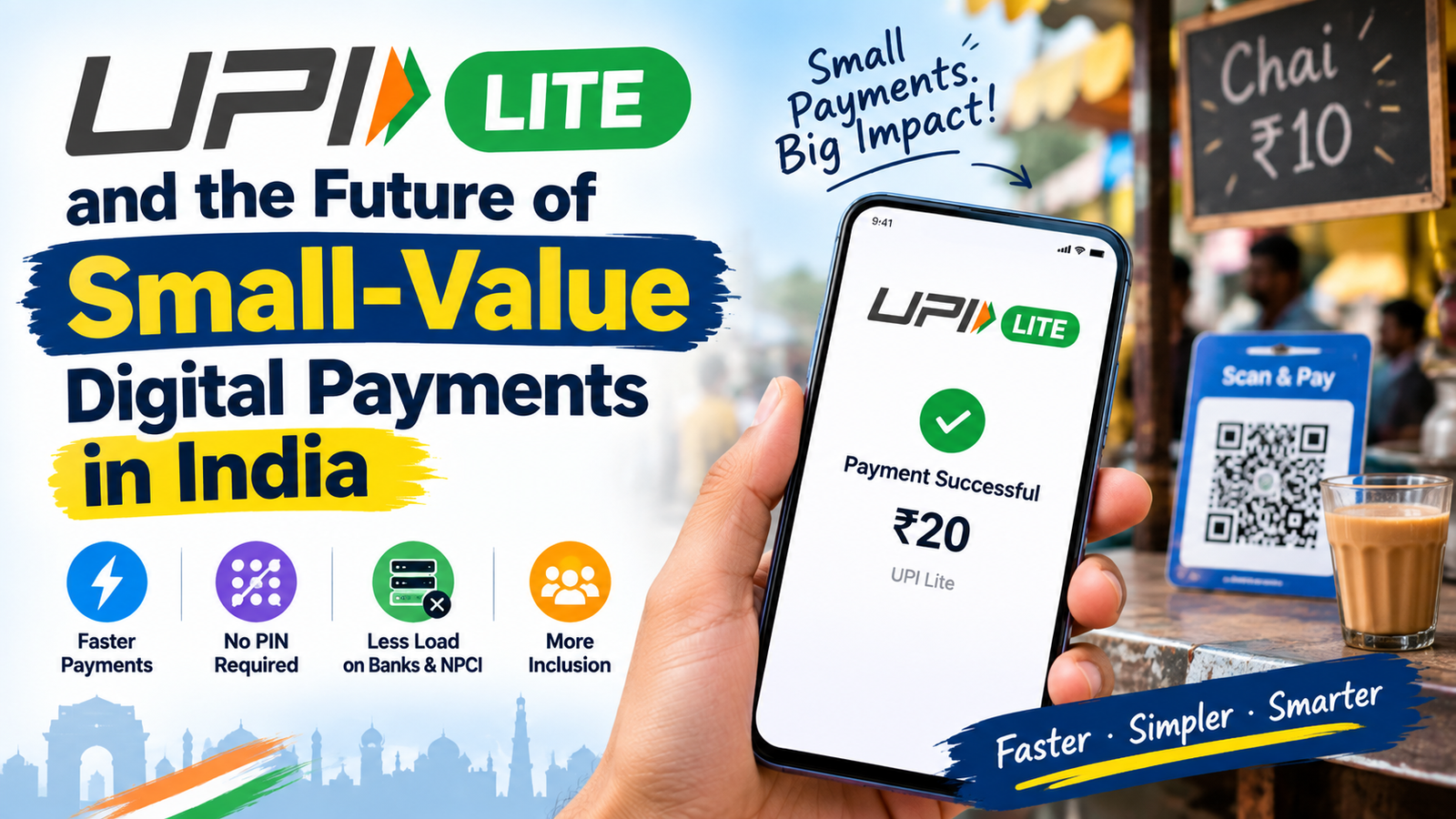
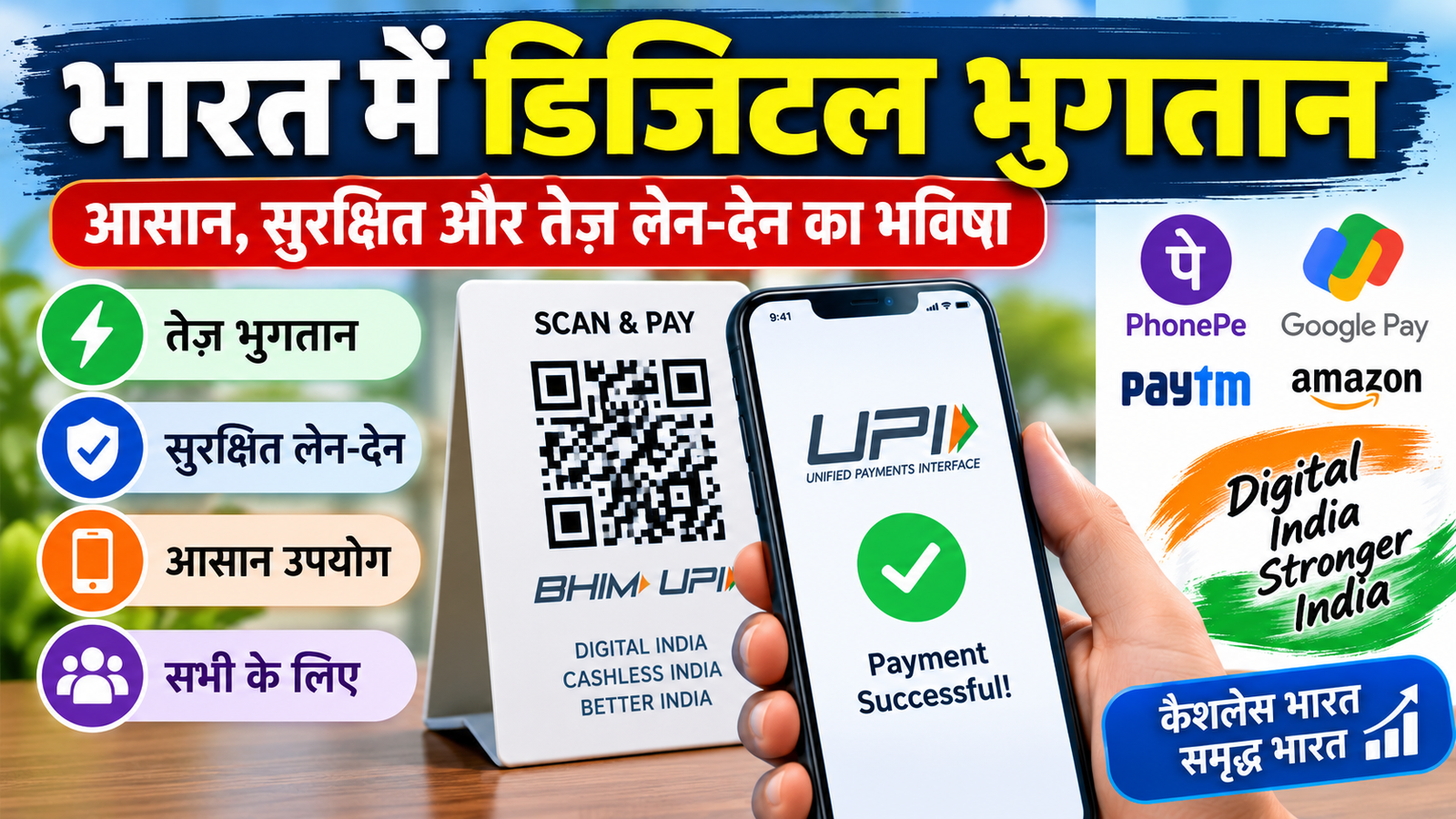
- Instant Payment Networks and QR Codes Real-time peer-to-peer payment networks—most notably India's Unified Payments Interface (UPI)—have rewritten the rules of instant transfers. Rather than asking users to type out long bank account numbers or routing codes, these systems connect multiple accounts to one simple virtual handle or mobile number. Paired with printed QR codes, even small roadside vendors can accept digital payments without buying expensive card-reading hardware.
- Contactless Smart Cards and Near Field Communication (NFC). Contactless credit and debit cards use Near Field Communication (NFC) technology to send transaction data through short-range radio waves. By holding the card within a few centimeters of an active payment reader, the purchase completes in a split second. This tiny operational change has drastically sped up checkout lines in high-traffic places like grocery stores, coffee shops, and public transportation gates.
- Blockchain Networks and Decentralized Ledger Technology. Beyond traditional banking channels, blockchain technology has opened new doors for moving value. By tracking transfers on a decentralized, tamper-proof public ledger, blockchain allows users to send digital assets globally without relying on central banking intermediaries. This technology is paving the way for faster cross-border remittances with significantly lower transaction fees.
Why the World is Moving Away from Physical Cash
The global shift toward digital payments is not just a popular trend; it offers massive, measurable advantages for individuals, local businesses, and national economies.
Unmatched Everyday Convenience
The most obvious benefit of going digital is pure convenience. Carrying heavy physical wallets, managing loose change, or stopping at an ATM late at night are becoming things of the past. Whether you are paying household utility bills from your couch, sending emergency money to a family member in another city, or splitting a restaurant bill with friends, digital payments turn complex banking chores into a few simple taps.
Opening Financial Doors for Everyone
In many developing regions around the world, opening a traditional bank account used to be nearly impossible. Millions of people lived far away from physical bank branches and lacked the formal documentation required to set up an account. Digital payment tools have effectively solved this problem. Today, anyone with a basic mobile connection can receive wages, store savings securely, build a legal transaction history, and access small business loans.
Unprecedented Transparency and Better Records
Physical cash is completely anonymous and almost impossible to track once it changes hands. While this offers privacy, it also makes cash vulnerable to loss, theft, and illegal trade. Digital payments, by contrast, automatically leave a clean, date-stamped record of every transfer. For everyday users, this makes tracking monthly spending and managing budgets effortless. For national governments, digital records help reduce tax evasion, curb money laundering, and ensure public welfare funds reach citizens directly.
Cost Savings and Operational Speed for Businesses
Managing physical cash is surprisingly expensive for business owners. Transporting bills safely, hiring armored transport services, dealing with human counting errors, and defending against theft take up time and money. Digital payments eliminate these operational headaches, speed up checkout times, and allow merchants to accept payments from customers anywhere in the world through online storefronts.
The Unseen Complexities Behind a Simple Tap
To understand why digital payments feel magic, it helps to trace what happens during the two seconds between tapping your phone and seeing the green "Success" checkmark.
- Initiation: When you scan a QR code or tap an NFC reader, your app captures the store owner's merchant identification code along with the exact bill amount.
- Authentication: Your device asks you to confirm your identity using a secret PIN, fingerprint scan, or facial recognition.
- Encryption and Tokenization: Instead of sending your real bank details over the air, the app creates an encrypted, single-use token representing the transaction.
- Switching Network Routing: The token travels instantly to a central payment switchboard, which identifies your bank and routes the payment request.
- Validation & Funds Transfer: Your bank verifies that your account has enough balance, places a temporary lock on the funds, notifies the merchant's bank, and sends an instant confirmation back to both screens.
All of these complex checks, security clearances, and cross-bank communications happen across thousands of miles in less time than it takes to take a single breath.
# How Businesses Are Adapting to Cashless Customers
It is not just individual buyers who are changing their habits; small businesses and enterprise corporations have been forced to completely redesign how they operate. In the past, a small neighborhood shop owner had to spend hours at the end of every business day manually counting paper money, arranging bills, sorting coins, and driving to a local bank branch to make physical deposits. This routine consumed valuable time, increased the risk of human accounting mistakes, and exposed business owners to theft.
Today, digital payment integration allows merchants to receive payments directly into their business bank accounts within seconds. Automated accounting software connects with digital payment apps, generating clear financial reports, calculating tax obligations, and tracking inventory levels in real time. Furthermore, accepting digital payments allows small local businesses to build a verified credit score. Traditional banks often rejected small loans for street vendors due to a lack of formal records. Now, a documented history of digital sales serves as solid proof of income, helping small entrepreneurs secure business loans to expand their operations.
# The Impact of Cross-Border Digital Remittances
Another major shift powered by modern digital payment platforms is the transformation of international money transfers, commonly known as remittances. Millions of foreign workers live and work far away from their home countries, sending a portion of their monthly earnings back home to support family members, pay for healthcare, or fund educational expenses.
Historically, sending money across international borders was slow, complicated, and exceptionally expensive. Traditional wire transfer services charged heavy transaction fees and offered poor currency exchange rates, taking away a significant chunk of a worker's hard-earned salary. Digital payment platforms, international digital wallets, and blockchain-based networks have disrupted this outdated model. Today, a worker can transfer money directly from a mobile wallet to a family member's bank account thousands of miles away in just a few minutes, with minimal fees and complete transaction visibility.
Real-World Challenges and Risks
While the benefits of a cashless world are clear, moving away from physical money also brings new vulnerabilities that must be handled carefully.
Rising Cyber Crime and Digital Scams
As billions of dollars move across online networks, bad actors have shifted their focus from physical bank robberies to digital fraud. Phishing attacks, deceptive phone calls, fake payment apps, and identity theft are common threats today. Because digital transfers happen instantly, victims who get tricked into sharing their PINs or clicking malicious links can lose their savings in seconds, making user awareness and cybersecurity essential.
The Technology and Literacy Divide
Not everyone enjoys equal access to modern technology. Elderly citizens, individuals living in remote rural regions, and low-income families often lack reliable high-speed internet, modern devices, or the technical confidence needed to navigate digital payment platforms safely. If society moves away from physical cash too quickly without helping these groups, vulnerable populations risk being left behind.
Over-Reliance on Electrical and Internet Infrastructure
Cash works even when the lights go out. Digital payments, however, depend entirely on stable electrical grids, operational cellular towers, secure cloud servers, and working software. A sudden power blackout, severe storm damage to fiber cables, or a technical glitch at a major payment provider can pause commerce across an entire region, leaving consumers unable to buy basic essentials like food, fuel, or medicine.
Privacy and Data Protection Concerns
Every digital payment creates a permanent record of where you were, what you bought, and how much you spent. If private corporations or governments track this data without strict ground rules, user privacy can be compromised. Striking a balance between preventing financial crimes and protecting individual transaction privacy remains one of the most debated topics in modern financial law.
What Lies Ahead for the Future of Money
The digital payment ecosystem is evolving at a breakneck pace. Technologies that sounded like science fiction a few years ago are already being tested and rolled out globally.
Central Bank Digital Currencies (CBDCs)
Governments around the world are developing official Central Bank Digital Currencies (CBDCs). Unlike private cryptocurrencies or balance points in a commercial wallet app, a CBDC is legal tender issued and backed directly by a nation's central bank. These sovereign digital currencies combine the official safety of physical paper money with the speed and efficiency of digital technology, reducing the costs of printing and distributing cash.
Biometric Payments: Paying with Yourself
The need to carry plastic cards, remember complex passwords, or even pull out a physical phone will gradually fade away. Advanced biometric payment systems allow users to authenticate transactions using unique biological markers, such as a palm scan, fingerprint, or facial scan. In the near future, buying your morning coffee will be as simple as smiling at an automated checkout camera.
Artificial Intelligence and Real-Time Fraud Prevention
Artificial Intelligence (AI) is transforming financial security behind the scenes. Modern machine learning systems analyze millions of global transactions simultaneously, learning individual spending habits and identifying suspicious behavior in real time. If a card is suddenly used in a foreign country two minutes after a local purchase, AI algorithms can flag and pause the transaction instantly, protecting users before harm is done.
Invisible Payments and Autonomous Commerce
We are moving toward an era of "invisible" payments, where the payment step happens automatically in the background. Smart vehicles will automatically pay for fuel or toll booths as they pass, smart refrigerators will reorder and pay for fresh milk when supply runs low, and retail stores will let shoppers pick items off shelves and walk out while smart sensors handle the billing behind the scenes.
Conclusion
The evolution of digital payments is far more than a convenient tech upgrade—it is a fundamental restructuring of global commerce. By breaking down geographic barriers, cutting operational friction, bringing millions of unbanked citizens into the financial fold, and making transactions safer, digital technology has redefined our relationship with money.
Naturally, challenges like cyber fraud, digital literacy, infrastructure reliability, and privacy protections require constant effort from technology developers, governments, and financial institutions. However, the trajectory is clear. As emerging technologies like AI, biometrics, and Central Bank Digital Currencies continue to mature, the vision of a truly seamless, inclusive, and interconnected global economy is rapidly becoming our everyday reality. Physical money may have built the modern world, but digital code is undoubtedly driving its future.
!! Thank You !!