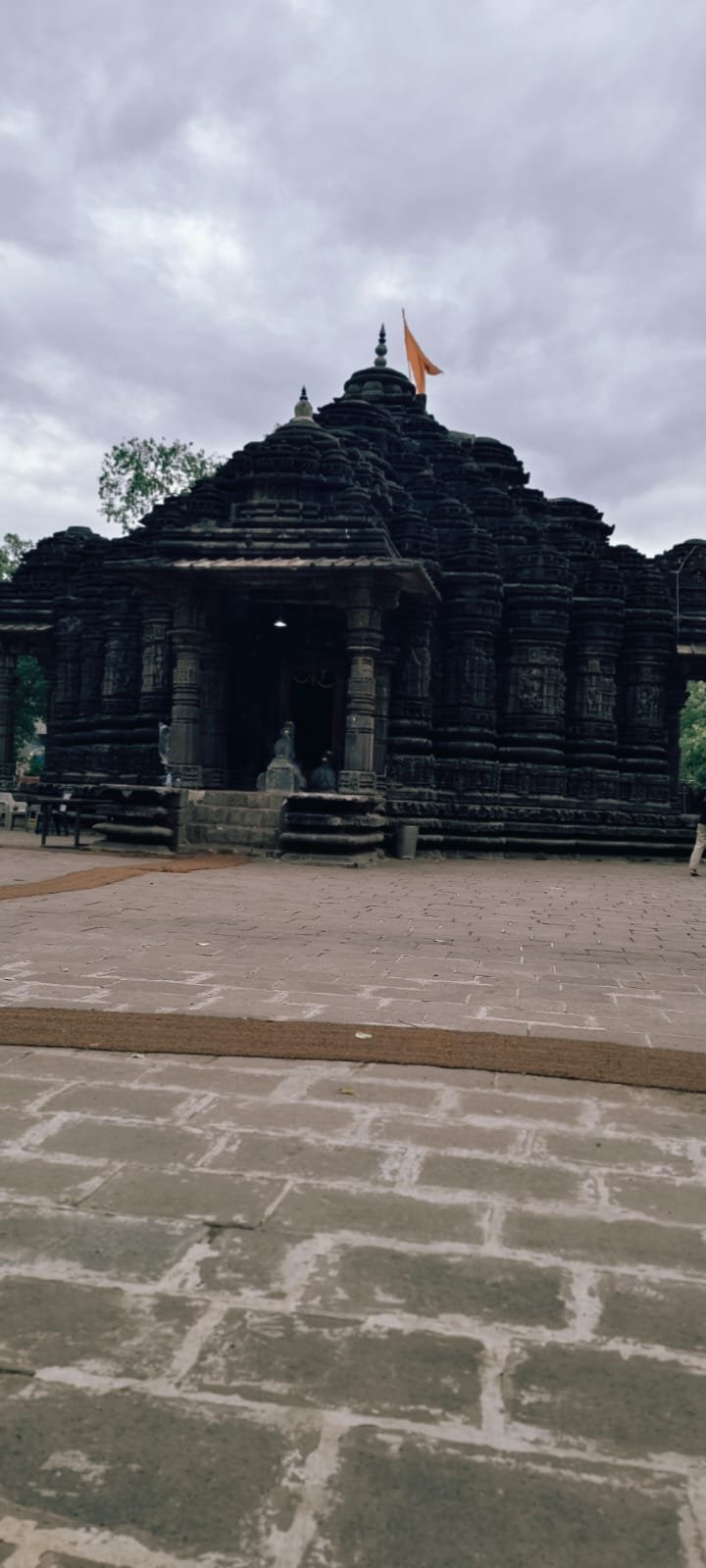
In sindhudurg lots of people are enjoying themselves in malvan tarkarli ratnagiri harehareshwar beach ganpati pule savdav dam river fall is a better place for peace you should really come in this place for travelling in sindhudurg nature you can get fresh air like city it create pollution but in konkan you can get a fresh oxygen to beautiful place in sindhudurg every month tourist has also coming for staying here are lots of konkan people hometown is also there here you can get good nature in every hometown because in sindhudurg you can get farming and gomatra of cow if you really want to come in sindhudurg for better life because in sindhudurg people are always worship ganpati holi and tripurari purnima you should really enjoy beauty of sindhudurg should
In sindhudurg you can go trackking in mountain like in kurli gaon sindhudurg in shivgarh you should really enjoyed this moment it feels beautiful sindhudurg is a very hill place and atmosphere is also very nice so amazing place you should visit
Tarkarli harehareshwar beach devbag beach you should really wonderful place to enjoy your dream life so if you want sindhudurg beauty is also enjoyment like malvan fort where you can get shivaji maharaj killa
Coastline (~122 km): Pristine beaches with clear waters, including Tarkarli (popular for water sports and diving), Malvan, Devbagh (where the Karli River meets the sea), Bhogwe, and others. Features include rocky shores, sandy beaches, estuaries, mudflats, mangroves, and tidal sandbars (e.g., Tsunami Island).
Hills and forests: Eastern edge borders the Sahyadri range. Areas like Amboli Ghat (hill station with high rainfall, waterfalls such as Amboli/Hiranyakeshi/Nangarta, and dense forest trails) and inland valleys (e.g., Tilari) offer lush greenery, especially in monsoon. Forest types include semi-evergreen and moist deciduous.
Marine habitats: Rocky islands (including Vengurla Rocks), coral reefs, seagrass, and seasonal sargassum. The Malvan Marine.
Marine habitats: Rocky islands (including Vengurla Rocks), coral reefs, seagrass, and seasonal sargassum. The Malvan Marine Sanctuary (established 1987, Maharashtra’s only marine sanctuary, roughly 27–29 sq km) protects coral reefs, pearl oysters, seaweed, mollusks, and diverse fish.
Critical coastal habitats include rocky/sandy shores, islands, estuaries, mangroves, and coral areas. Mangrove cover has expanded in recent decades through natural regeneration and conservation
The Sindhudurg coast ranks among the richest in habitat diversity along Maharashtra’s shore. Reported marine flora and fauna for the Malvan area include dozens of species of algae, mangroves, corals, mollusks, polychaetes, arthropods, sea anemones, and fish. Globally notable species include whale sharks, Indo-Pacific humpback dolphins, and sea turtles (Olive Ridley, Green, Leatherback).
Birds: Hundreds of species recorded along the coast (often 300+), including migrants, Western Ghats endemics, and species such as the White-bellied Sea Eagle. Vengurla Rocks is an Important Bird Area (notable for nesting swiftlets and terns
Terrestrial wildlife: Forests support mammals (occasional tiger sightings linked to corridors with Goa/Karnataka, Indian pangolin, giant squirrel, Indian gaur), reptiles, amphibians (endemic frogs around Amboli), and rare species such as the slender loris (recently sighted in Tilari Valley).
The broader Western Ghats context contributes high overall biodiversity (plants, insects, etc.), with the district sometimes informally called Maharashtra’s “Amazon” for its richness.
Monsoon (roughly June–September) brings misty cliffs, dense green forests, cascading waterfalls, and dramatic coastal weather. Post-monsoon and winter (October–March) generally offer clearer seas for diving/snorkeling, better beach weather, and good visibility around reefs
Popular nature activities include scuba diving and snorkeling (Tarkarli/Malvan area), boat rides, birdwatching, stream trekking/waterfall hikes inland, and exploring mangroves or quiet beaches. The region’s relative lack of heavy commercialization helps preserve quieter natural settings compared with more developed coastal spots
Conservation notes include protection via the marine sanctuary, mangrove recovery efforts, and wildlife corridor importance (e.g., for tigers). Challenges such as development pressure, tourism impacts, and habitat change exist, as in many biodiversity-rich coastal areas.
Amboli Ghat is a scenic mountain pass and hill station in the Sahyadri range (Western Ghats) of Maharashtra’s Sindhudurg district, India.
Wikipedia
It sits at an altitude of around 690–700 metres and is often called the “Cherrapunji of Maharashtra” because of its extremely high rainfall (around 7 metres / 7,000–7,500 mm annually). The area is known for dense forests, cascading waterfalls, mist-covered landscapes, and rich biodiversity. It is the last major hill station before the Konkan coastal plains and Goa
Amboli Waterfall — The main attraction (about 300 feet / ~90 metres high). Best during the monsoon when it is in full flow; there is a small entry fee and basic facilities nearby
Hiranyakeshi Temple & Cave — Source of the Hiranyakeshi River, with a temple dedicated to Parvati/Shiva and nearby caves (around 5 km from the bus stand).
Kavleshet / Kavalesat Point — Viewpoint famous for the “reverse waterfall” effect during peak monsoon, when strong winds push water upward.
Biodiversity — Part of a Western Ghats ecological hotspot. Home to many endemic species, including the Amboli bush frog, Malabar gliding frog, Malabar pit viper, numerous butterflies, birds, and amphibians
Other spots include forest trails, viewpoints, and remnants of historical structures linked to the British era and the Sawant Bhonsle dynasty.
Monsoon (June–September): Peak season for waterfalls, lush greenery, and misty atmosphere. July–August are the wettest. Roads can be slippery and visibility low due to fog and rain.
Post-monsoon / Winter (October–February): Clearer views, pleasant weather, good for sightseeing (though waterfalls have less volume).
Summers are milder than the plains but less scenic for waterfalls.
By road: On the route between Kolhapur and Sawantwadi / Belgaum. Scenic drive through the ghat.
Nearest railway: Sawantwadi Road (~28–40 km).
Nearest airports: Belgaum/Belagavi (~70 km) or Goa’s Dabolim (~100+ km).
This is a centuries-old craft (introduced around the late 17th–early 18th century by artisans from Andhra/Telangana under royal patronage of the Sawant Bhonsle rulers). Soft local woods (mango, Indian coral/pangara, hale/Wrightia, etc.) are carved or turned, then finished with multiple layers of natural pigments and a durable, glossy lacquer coating that does not easily chip or fade
Brightly painted wooden toys (fruits & vegetables that look almost real, kitchen sets, bullock carts, dolls, animals, soldiers)
Chess sets and board games
Decorative items (boxes, candlesticks, figurines, light fittings)
Ganjifa cards — circular, hand-painted playing cards (often Dashavatara/Vishnu’s 10 incarnations themes). Sawantwadi is one of the last places in India where this traditional form is still actively practised; it has a GI tag
The Chitari (Chitrakar) community has been the traditional practitioners for generations.
Chitar Ali (Chitari Aali / Kolgaon area) — The classic artisan lane a short walk uphill from Moti Talao (Moti Lake). Rows of modest shops and workshops where you can watch carving, painting, and lacquer work and buy directly from makers. Look for realistic lacquered fruits and traditional toys.
Sawantwadi Palace — The historic royal residence overlooks Moti Talao. It houses a small museum focused on the royal family, Ganjifa, and lacquerware. The Bhonsle family actively revived and continues to promote the crafts (they run Sawantwadi Lacquerwares). The palace complex sometimes offers workshops or demonstrations; part of it operates as a boutique art hotel
Amboli has historical roots dating back to the British era, when it served as a key transit point for the Vengurla-Belgaum trade route. British officers, including Colonel Westrop in the 1880s, recognized its potential and transformed it into a hill station. Remnants of the Sawant Bhonsle dynasty’s summer retreat in the area further add to its historical charm.
Amboli has historical roots dating back to the British era, when it served as a key transit point for the Vengurla-Belgaum trade route. British officers, including Colonel Westrop in the 1880s, recognized its potential and transformed it into a hill station. Remnants of the Sawant Bhonsle dynasty’s summer retreat in the area further add to its historical charm
Amboli is a treasure trove of biodiversity, hosting over 35 mammal species, 200 bird species, 150 butterfly species, and more than 45 species of reptiles and amphibians. Unique creatures like the Malabar gliding frog, the Malabar pit viper, and the endangered Amboli bush frog thrive in the region, making it a haven for wildlife enthusiasts and researchers
Waterfalls
During the monsoons, Amboli Ghat transforms into a lush green paradise, adorned with numerous waterfalls that cascade down the Western Ghats, creating a mesmerizing sight. The heavy rainfall in this region feeds the streams and rivulets, turning them into roaring torrents that make Amboli a must-visit destination for nature lovers and adventure seekers
Waterfall:
One of the most famous waterfalls in the region, the Amboli Waterfall is just 3 kilometers from the bus stand and attracts tourists from far and wide. The waterfall, set amidst dense forests, creates a spectacular display as water gushes down the rocky terrain. The cool mist in the air and the rhythmic sound of falling water create a truly enchanting experience. Visitors can stand near the falls to feel the refreshing sprays or simply admire the breathtaking view from a safe distance. During peak monsoon season, the force of the waterfall increases dramatically, making it a thrilling sight. Street vendors around the area sell delicious local snacks like hot onion bhajis, roasted corn, and piping-hot tea, enhancing the overall experience.
overall experience.
NangartaFalls:
Located around 10 kilometers from Amboli, Nangarta Falls is another spectacular waterfall in the region. This waterfall emerges from a narrow gorge and plummets from a height of 40 feet, creating a powerful and mesmerizing cascade. During the monsoon season, the water flow intensifies, producing a loud and thunderous roar that resonates through the valley. The waterfall has a designated viewing platform and a bridge, allowing visitors to safely admire its beauty and capture stunning photographs. The surrounding greenery and the misty atmosphere add to the magical charm of Nangarta Falls, making it a must-visit spot for nature enthusiasts and photographers.
Other Waterfalls:
Apart from Amboli and Nangarta Falls, the region is dotted with several other seasonal waterfalls, which appear suddenly during heavy rainfall. Some of these are hidden amidst the thick forests and require short treks, adding to the sense of adventure. Travelers exploring these lesser-known falls often find themselves immersed in nature’s tranquility, away from the bustling crowds
Hiranyakeshi Temple
The Hiranyakeshi Temple, located about 5 kilometers from Amboli, is a sacred site dedicated to Lord Shiva. The temple holds immense spiritual significance as it is built around a cave from which the Hiranyakeshi River originates. The river, emerging from within the limestone caves, forms a small pool before flowing downstream, creating a peaceful and picturesque setting
The temple’s architecture is simple yet elegant, reflecting its ancient roots and religious importance. Surrounded by dense forests and tranquil surroundings, the temple offers devotees and visitors a serene place for meditation and prayer. The journey to the temple is equally delightful, as the route passes through scenic landscapes filled with lush greenery, making it a pleasant trip for nature lovers. The Hiranyakeshi Temple is not just a place of worship but also a destination where one can experience the harmonious blend of nature and spirituality.
Viewpoints
Amboli Ghat is dotted with several vantage points that provide breathtaking views of the valleys, mist-covered hills, and deep gorges. These viewpoints serve as ideal locations for photography, relaxation, and nature appreciation. And mahadevgad
This viewpoint is known for its stunning panoramic views of the Sahyadri hills and the surrounding valleys. On clear days, visitors can see the lush green expanse stretching far into the horizon, while during monsoons, the view becomes even more enchanting as clouds and mist roll over the hills, creating a dreamy atmosphere. The cool breeze and tranquil environment make it a perfect place for nature lovers to unwind and soak in the beauty of the Western Ghats.
Kavlesad Point: One of the most breathtaking viewpoints in Amboli, Kavlesad Point is famous for its mesmerizing valley views. During the monsoon season, the entire valley is engulfed in thick mist, creating an ethereal experience where visitors often feel as if they are floating above the clouds. The point provides a spectacular view of waterfalls and streams trickling down the slopes, making it a perfect spot for photography and relaxation. The dense forests surrounding the viewpoint add to its untouched and serene appeal.